
Charleston’s historic harbor and bustling waterfront are iconic parts of the Lowcountry, but they also host unique risks that can lead to serious boating accident cases. Whether you were a passenger on a tour boat, enjoying a sunset cruise, or visiting a busy marina, injuries occurring on or near the water are governed by a distinct set of laws that differ significantly from typical land-based accidents. Understanding how these claims work is critical to protecting your legal rights and ensuring you receive the personal injury compensation and benefits you deserve.
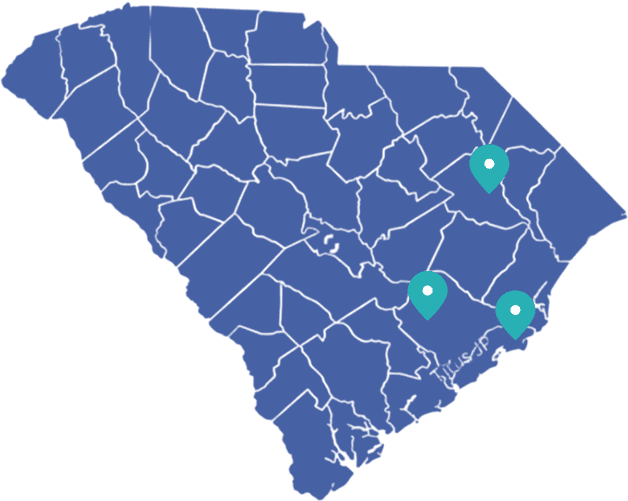
At Crantford Meehan, our Charleston personal injury lawyers understand the complex intersection of state negligence laws and federal maritime regulations. We provide the specialized guidance needed to navigate personal injury claims resulting from tour boat accidents and waterfront mishaps. Our firm serves injured people throughout Charleston, Summerville, and Florence.
Why Waterfront Injury Claims Are Different
The most critical factor in a Charleston water-related injury is determining whether state law or federal maritime law (also known as admiralty law) applies. In South Carolina, courts allow evidence based on specific standards, but maritime cases often fall under the “locality and nexus” test. If an accident occurs on “navigable waters”—which includes most of Charleston’s rivers and the harbor used for commerce and tourism—federal jurisdiction may take precedence over standard South Carolina personal injury statutes.
This distinction matters because maritime law often involves unique rules that can either help or complicate your case. Insurance adjusters and defense attorneys treat these investigations as a standard part of their case preparation, often looking for ways to limit their liability under older maritime statutes. Understanding how insurance companies investigate claims in a maritime context is essential for any victim.
Jurisdictional Complexity
Privacy settings and location data often play a role in proving where an accident happened. During discovery, the other side can request data to prove the exact coordinates of a vessel at the time of an injury. This is important because a case filed in the wrong court can be dismissed, potentially causing you to miss the statute of limitations.
Common Causes of Injuries on Charleston Tour Boats
Tour boat operators and waterfront businesses owe their passengers a duty of care to maintain safe conditions. When they fail to do so, the resulting accidents can lead to catastrophic injuries, high medical bills, and significant emotional trauma. Documenting these injuries privately is vital while your legal team builds your case.
Frequent causes of maritime injuries in the Lowcountry include:
- Slip and Falls on Docks or Decks: Wet surfaces, loose gangways, and poorly maintained marinas are leading sites for premises liability claims.
- Excessive Speed and Wake Injuries: Hitting a large wake at high speeds can cause passengers to be thrown, leading to severe back and neck injuries or spinal cord injuries.
- Overcrowding and Overloading: Exceeding a vessel’s capacity can compromise stability, leading to capsizing or safety equipment failure.
- Inadequate Safety Equipment: Failure to provide accessible life vests or working fire extinguishers can turn a minor incident into a wrongful death tragedy.
- Operating Under the Influence: Just like on the road, boating under the influence is a leading cause of reckless collisions. Our firm has experience holding negligent parties accountable in DUI accident cases.
Steps to Protect Your Rights After a Waterfront Injury
Because evidence on the water can be fleeting, immediate action is required to protect your ability to maximize your personal injury settlement. Controlling the narrative from the beginning is the best way to ensure a fair outcome.
Protective Steps for Your Maritime Claim:
Seek Medical Care Immediately: Injuries like concussions or internal damage may not show symptoms right away. Professional medical documentation is the core of any evidence needed to prove your claim.
Report the Incident: Ensure an official report is generated with the proper maritime authorities. This provides a baseline of facts that is harder for insurance adjusters to dispute later.
Gather Visual Evidence: Take photos of the boat, the dock, and any visible hazards. This is as critical as documenting a car accident scene.
Pause Social Media Activity: Stop posting on social media entirely while your case is pending. A single post saying you are “feeling better” while on the water can be used by the defense to undermine your medical records. This is a common mistake that can cost you thousands of dollars.
Ask Witnesses Not to Tag You: Request that friends and family not post photos of you or tag you in posts related to your activities during your recovery. Protecting your digital footprint is vital.
Recovering Compensation for Charleston Water Injuries
If negligence is proven, you may be entitled to a wide range of damages. At Crantford Meehan, we fight to ensure every loss is accounted for in your personal injury lawsuit.
Compensation may include:
- Medical Expenses: Coverage for emergency room visits, surgeries, and ongoing treatment costs.
- Lost Income: Compensation for missed work and calculating lost wages if you can no longer perform your duties.
- Pain and Suffering: Non-economic damages for physical pain and emotional distress.
- Long-Term Disability: Specialized care for permanent conditions like traumatic brain injuries or paralysis.
Frequently Asked Questions
Does my case follow South Carolina law or Federal Maritime law?
It depends on the location and nature of the activity. If the injury occurred on navigable waters during a maritime activity, federal law likely applies. An experienced personal injury attorney can determine the correct jurisdiction for your claim.
What if I signed a liability waiver before the tour?
Waivers do not always protect boat operators from gross negligence or violations of federal safety codes. If you’ve been injured despite signing a waiver, contact an attorney immediately to review the document and your legal options.
How does social media affect my maritime injury claim?
Insurance companies treat social media investigation as a standard part of their case preparation. Posting photos of yourself enjoying waterfront activities can destroy your credibility in front of a judge or jury. Avoid all posting until your case is completely resolved, including any appeals.
Can I sue if I was injured on a dock or pier?
Yes. Injuries on piers or docks often fall under premises liability. These cases are similar to other property-based injury claims where the owner failed to provide a safe environment.
Get Legal Guidance for Your Charleston Injury Claim
With a deep understanding of the Lowcountry and the complex laws governing our waterways, Crantford Meehan is prepared to handle the most difficult water-related injury cases. Our partners hold AV Preeminent ratings and recognition from Super Lawyers, reflecting our commitment to excellence for every client.
We offer free consultations and work on a contingency fee basis—meaning you pay nothing unless we recover money for you. If you’ve been injured on a Charleston tour boat or waterfront property, don’t wait for evidence to disappear. Contact Crantford Meehan today to protect your rights and begin securing your future.


Fill out the form below
NATIONALLY RECOGNIZED LAW FIRM











REQUEST YOUR FREE CONSULTATION
GET THE HELP YOU NEED
Fill out the form below to get in touch with us!