

This type of injury occurs when an external force or impact causes the brain to hit the inside of the skull. The impact could be on the body or the head.

A head injury can be one of the most devastating consequences of a motor vehicle accident. Even though head or brain injuries are not always immediately obvious, they can worsen over time without immediate medical attention and care. Because even minor brain injuries can eventually lead to significant physical, cognitive, and emotional problems, recognizing and addressing early symptoms can be the difference between a swift recovery and long-term suffering.
From concussions to penetrating injuries, traumatic brain injuries (TBIs) can range widely. As an accident victim who has suffered brain and head injuries in Charleston, you can count on our South Carolina head injury lawyers for help. Through a personal injury claim, you may be able to recover damages for medical bills, reduced earning capacity, and ongoing care.
Fill out the form below
Types of Head Injuries After a Car Accident
People can suffer three basic types of head injuries in car crashes: closed-head injuries, open wounds, and mass lesions. Each type can cause a range of damage to brain tissue, with the most severe accidents potentially causing all three types of injuries.
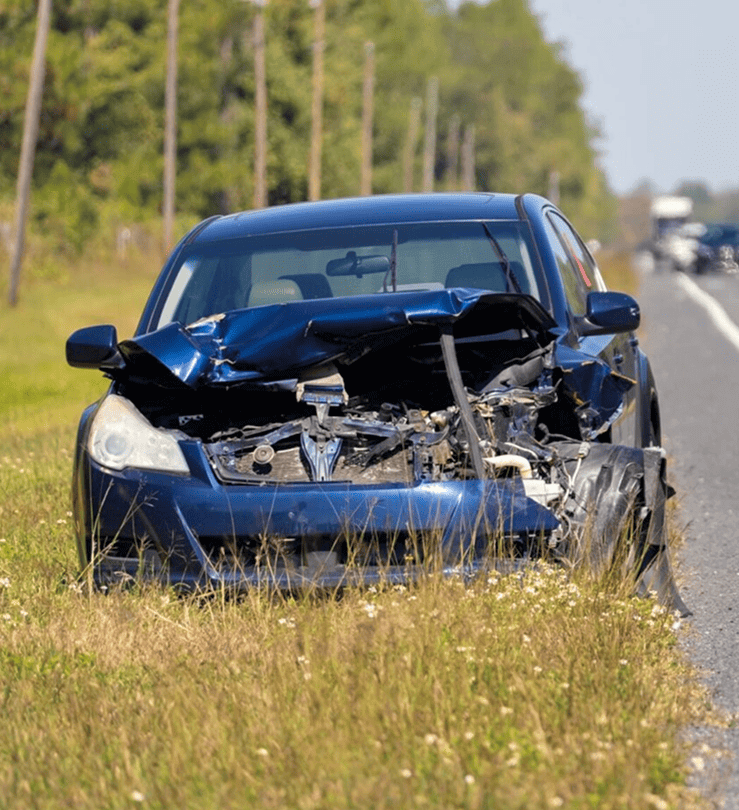

Closed Head Injuries
Open Wounds
Open wounds or open head injuries occur when an external object strikes the skull hard enough to break the skin and the skull, causing damage to the brain or penetrating injuries.
Crushing Injuries
Some accidents cause the car’s frame to give way enough that it crushes a section of an occupant’s skull, which can potentially cause injuries to multiple parts of the brain.
Mass Lesions
Brain bruising and bleeding can result from hematoma, contusions, intracerebral hemorrhage, and subarachnoid hemorrhage.
Diffuse Injuries
These include diffuse axonal injuries, which interfere with nerve function. They also include ischemic injuries, which reduce blood flow to the brain.
Skull Fractures
A fracture to the skull can be anything from a simple crack to a compression fracture that pushes bone into the brain.
Brain Swelling
Traumatic brain injuries can lead to severe swelling and significant damage to the brain. It’s important to watch for signs of injuries.
Concussions
Concussions are among the most common types of brain injuries suffered in car accidents, with harm ranging from minor to severe injuries. If you’ve suffered a concussion in a car crash, our Charleston car accident concussion lawyers can help.
Our Areas Of Practice
Types of Car Accidents and Compensation
-

Truck Accident

-

Dram Shop Alcohol Liability
-

Bicycle Accident
-

Accidents Caused by Road Defects
-

Emotional Distress Damages
-

Motorcycle Accident
-

DUI Accidents
-

Medical Bills After A Car Accident
-

Rear-End Collision
-

Distracted Driving
-

Car Accident Lost Wages
-

Car Accident Paralysis
-

Car Accident Reduced Earnings
-
Speeding Accidents
-
Uninsured Motorist Issues
-

Whiplash


Common Symptoms of Traumatic Brain Injury
According to the Centers for Disease Control (CDC), traumatic brain injury symptoms can include the following:
- Physical Symptoms – headache, blurry vision, dizziness, nausea, vomiting, sensitivity to light, and trouble balancing.
- Cognitive Symptoms – The affected individual may suffer from difficulty thinking, a sense of slowness, forgetfulness, and concentration problems.
- Sleep Symptoms – A person who has suffered a TBI may have trouble falling asleep, staying asleep, or waking up from sleep, and may have impacted sleep patterns.
- Emotional Symptoms – After a TBI, a person may feel inexplicable sadness, irritability, nervousness, or anxiousness.
Watch closely for any of the above symptoms in yourself or your family members after an accident. If you notice any of them, seek immediate medical treatment.
If a child has been in a car accident, they may be unable to communicate their experience. Observe them for the above symptoms. Also, look for continuous crying or a refusal to nurse or eat.
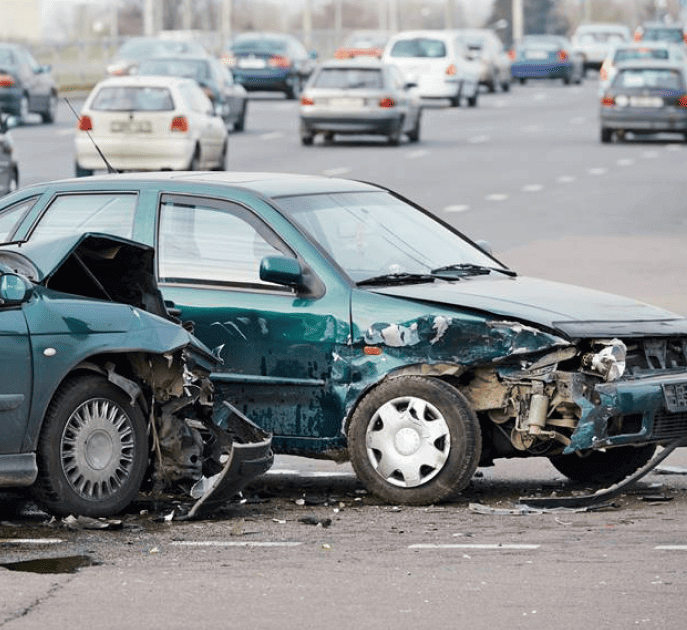
SERVING YOU 24/7
(843) 832-1120What Health Impacts of a Head Injury?
Head injuries can result in long-lasting effects, including cognitive, emotional, and physical impairments. Some common long-term effects include:
- Cognitive impairments – Memory loss, trouble concentrating, difficulty with problem-solving and daily tasks, and other cognitive challenges
- Emotional changes – Mood swings, depression, anxiety, and irritability may develop or worsen after a head injury
- Physical limitations – Balance problems, dizziness, and headaches that may persist for a long time
- Increased risk of future brain injuries – Those who have suffered a previous head injury may be more susceptible to further brain trauma.
These impacts don’t include the personal toll that head injuries can often have on brain injury victims, potentially touching all parts of daily life.
However, many traumatic brain injuries (TBI) go unnoticed or undiagnosed because they happen without outward signs of head trauma. Often the person who has received the injury experiences such a rush of adrenaline that they do not feel any immediate pain. They may begin to experience symptoms in the hours or days that follow. Recognizing early signs is essential for ensuring the greatest chances of recovery.
- $1,272,800 Single Car Collision
- $125,000 Car collision
- $100,000 Car collision
- $400,000 Pedestrian v. Car Collision
- $130,000 Single Car Collision

Contact an Experienced Car Accident Brain Injury Lawyer in Charleston Today
If you or a loved one has suffered a head injury in a car accident in South Carolina, you deserve compensation for your losses. The experienced Charleston car accident attorneys of Crantford Meehan will work to recover the full and fair compensation you deserve. Call our dedicated team of attorneys today at (866) 216-5916 or contact us online for a free consultation. We’re ready to help with your Charleston car accident brain injury case.
SERVING YOU 24/7
(843) 832-1120CLIENT TESTIMONIALS
WHAT PEOPLE ARE SAYING ABOUT US
-

“Helped me through the hardest time in my life “

Crantford Meehan has helped me extremely through the hardest time in my life and has gotten me such an AMAZING recovery after my accident. I highly recommend them to any and everyone I know. Even after my own mother got into an auto accident, they have helped us both successfully move forward with our lives...
Harleigh Tenio
-
My ‘go to’ for legal help.
Attorney William Crantford has been great! He is my “go to” for legal help.
David Childress
-
Mr. Meehan was very professional.
Mr. Meehan was very professional. He made sure to address all of the questions and concerns that I had while working with him. I would absolutely recommend Crantford Meehan to anyone looking for an attorney who works hard to get you the best possible outcome.
Nikki M.





Recognizing Head and Brain Injury Symptoms at the Scene of an Accident
After someone has sustained a head injury in a car accident, their condition might prevent them from recognizing the signs that they have been injured. If you are on the scene of an accident, be aware of others who might display symptoms such as:
- Appearing dazed or confused
- Failing to respond normally when questioned
- Failing to recall what has happened
- Brief loss of consciousness
- Confusion or disorientation
- Changing personality
- Forgetting information
Keep in mind that brain injuries may not always have obvious symptoms. If you have any reason to think you or another person may have suffered even a mild TBI, it’s essential to get care from a medical professional as soon as possible.
First Aid for Head Injuries after an Accident
Call emergency responders immediately if you notice someone displaying any of the above symptoms after a car accident. Let them know that you suspect someone has suffered a head injury. While you wait for the ambulance:
- Make sure the injured person remains still. Do not move them or reposition them unless it is necessary. If they are wearing a helmet, do not remove it.
- If they are bleeding from the head, try to stop the bleeding by applying pressure with a clean cloth. However, if it appears that they may have a skull fracture, do not apply pressure.
- Begin CPR if the person has stopped breathing.
Frequently Asked Questions
-
What types of head injuries are common in car accidents?
The most common head injuries from car accidents are concussions, skull fractures, and traumatic brain injuries (TBI). These injuries can range from mild to severe TBIs, depending on the force of the impact and other factors.
-
What should I do if I suspect a head injury after a car accident?
-
How long do symptoms of a head injury take to show up after a car accident?
-
Can a head injury after a car accident lead to long-term issues?
-
How can I prove a head injury in a car accident claim in Charleston?
-
How much compensation can I receive for a head injury after a car accident in Charleston?
NATIONALLY RECOGNIZED LAW FIRM










LEGAL INSIGHTS
TOP POSTS
Firm News & Case Results
April 18, 2024
Crantford Meehan Files Wrongful Death Lawsuit in Farrah Turner Case
On October 3, 2018, Farrah Turner, a highly decorated Florence County Sheriff’s Deputy, was tragically shot in the line of duty by Frederick Hopkins..
CONTINUE READING



GET THE HELP YOU NEED
Fill out the form below to get in touch with us!